
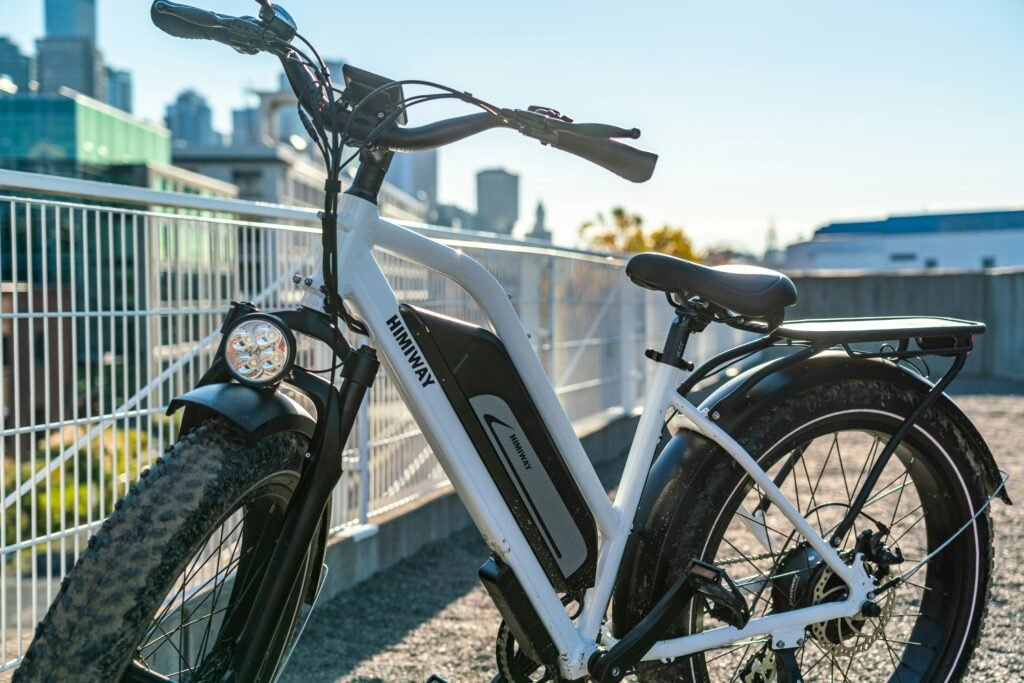
Electric bicycles, commonly known as e-bikes, represent a significant evolution in personal transportation. These innovative vehicles blend traditional cycling with electric power, making them an attractive alternative for a wide range of users. At their core, e-bikes incorporate three primary components: an electric motor, a rechargeable battery, and a controller, each playing a crucial role in enhancing the biking experience.
The electric motor, typically situated in either the front wheel, rear wheel, or the bike’s frame, provides the additional power that assists riders in pedaling. This support is particularly beneficial when navigating challenging terrains or climbing steep inclines, allowing cyclists to travel longer distances without excessive exertion. The battery, generally lithium-ion, stores electrical energy and can often be charged using a standard outlet. Its capacity determines how far one can ride on a single charge and directly influences the bike’s overall range. Meanwhile, the controller acts as the interface between the rider and the motor, regulating the amount of power delivered based on user input and terrain conditions.
In recent years, the popularity of e-bikes has surged, driven by an increasing awareness of sustainable transportation options and the need to reduce carbon footprints. Unlike traditional bicycles, which require considerable physical effort, e-bikes enable individuals to engage in cycling with less strain, making them accessible to diverse groups, including commuters and recreational cyclists. This versatility is reflected in the variety of e-bike types available on the market today, such as city e-bikes, mountain e-bikes, and folding e-bikes, each designed to cater to specific lifestyles and preferences. As such, electric bicycles have established themselves as a viable option in the pursuit of a more sustainable future on two wheels.
Benefits of Riding Electric Bicycles
The rise of electric bicycles, or e-bikes, has introduced numerous advantages that appeal to diverse groups of riders, from casual commuters to serious cycling enthusiasts. One prominent benefit is the enhancement of physical health. Riding an electric bicycle encourages regular exercise by allowing individuals to adjust the level of assistance they receive from the electric motor. Whether one opts for a leisurely ride with minimal assistance or a vigorous workout, e-bikes cater to personal fitness goals while making cycling approachable for individuals of all fitness levels.
Additionally, the cost-effectiveness of electric bicycles plays a significant role in their increasing popularity. When compared to traditional vehicles, e-bikes offer substantial savings. The expenses associated with fuel, maintenance, and parking are dramatically reduced, making electric bicycles an attractive option for daily transportation. Moreover, many local governments and municipalities provide incentives for e-bike purchases, further enhancing their affordability.
From an environmental perspective, electric bicycles contribute to a reduced carbon footprint. By replacing short car journeys with e-bike rides, riders can significantly decrease greenhouse gas emissions. This shift not only promotes personal wellbeing but also supports broader sustainability initiatives aimed at combating climate change. E-bikes are notably energy efficient, converting a higher percentage of energy into motion compared to automobiles.
Lastly, electric bicycles offer unmatched convenience for navigating urban environments. With their compact design and ability to easily maneuver through traffic, e-bikes help riders avoid congested roadways and locate parking spaces more easily than cars. This combination of accessibility and efficiency has solidified e-bikes as a viable alternative transportation mode. As urban populations continue to grow, the adoption of electric bicycles fosters sustainability and assists in creating balanced, eco-friendly cities.
Different Types of Electric Bicycles
The popularity of electric bicycles, or e-bikes, has surged in recent years, showcasing a remarkable variety of types tailored for diverse purposes and user preferences. Each category of electric bicycle has distinct characteristics, making them suitable for specific riding conditions and lifestyle requirements.
Commuter e-bikes are designed primarily for urban travel, aimed at providing a convenient mode of transportation for daily commuters. Equipped with a comfortable seating position, fenders, and integrated lights, these bikes prioritize practicality and ease of use. They often feature batteries that offer sufficient range for city commutes, enabling users to navigate traffic efficiently and arrive at their destinations without breaking a sweat.
Mountain e-bikes, on the other hand, are engineered for off-road adventures and rugged terrains. With sturdy frames, advanced suspension systems, and knobby tires, these electric bicycles offer enhanced traction and stability. They are perfect for trail enthusiasts looking to conquer steep hills or challenging paths. The added pedal assistance helps riders tackle difficult climbs while conserving energy for longer rides.
Folding e-bikes present a versatile option for those with limited storage space or who need to combine cycling with other forms of transportation. They can be easily folded for convenient transport in public transit or stowed away in small apartments. Despite their compact size, many folding e-bikes come equipped with powerful motors and adequate battery life, ensuring they remain effective for commuting or leisurely rides.
Lastly, cargo e-bikes cater to individuals seeking to transport goods or even children. With robust frames and ample carrying capacity, these bikes are equipped to handle various loads, making them an eco-friendly alternative to cars for shopping trips or errands. Their utility often extends beyond personal transport, appealing to businesses requiring a practical cargo solution.
How Electric Bicycles Work
Electric bicycles, commonly known as e-bikes, integrate several components that work in concert to enhance the cycling experience. At the core of this system is the motor, which can typically be found in three configurations: hub motors, mid-drive motors, and integrated motors. Hub motors are located in either the front or rear wheel and provide direct power to the wheel. Conversely, mid-drive motors are mounted near the bike’s pedals, enabling better weight distribution and efficiency, particularly when climbing hills.
The battery plays a crucial role in the functioning of e-bikes, serving as the power source for the motor. Most modern electric bicycles utilize lithium-ion batteries due to their high energy density and relatively low weight. These batteries are typically removable, allowing users to charge them independently. The battery’s capacity, usually measured in watt-hours (Wh), determines the range an e-bike can achieve on a single charge. On average, e-bikes can travel between 20 to 70 miles, depending on terrain, assist level, and rider input.
The electric system is controlled through a user interface that allows riders to adjust the level of pedal assistance. Many e-bikes feature different modes of assistance, such as eco, tour, and sport settings. Each mode offers varying levels of support, empowering riders to customize their experience based on their preferences or physical condition. For instance, the eco mode conserves battery life while offering minimal assistance, while sport mode provides maximum power for more demanding terrains. Understanding how these components work harmoniously enables riders to optimize their electric bicycle experience, ensuring a sustainable and efficient mode of transport.
Choosing the Right Electric Bicycle for You
The increasing popularity of electric bicycles, often referred to as e-bikes, has led to a diverse array of models on the market. Selecting the right electric bicycle for your unique lifestyle and preferences is crucial to ensure a satisfying riding experience. One of the primary factors to consider is your budget. E-bike prices can range significantly, from affordable options that serve basic commuting needs to high-end models equipped with advanced technology. It is essential to determine how much you are willing to invest in an e-bike, keeping in mind the long-term benefits and potential savings on transportation costs.
Next, consider your riding style. Are you planning to use the e-bike for daily commuting, leisurely rides, or perhaps off-road adventures? Each type of riding requires different specifications. For urban commuting, a lightweight model with a compact design may suffice, while those interested in mountain biking might seek rugged, all-terrain options. Understanding the terrain you plan to navigate also influences your selection. Electric bicycles come in various styles, including hybrids, mountain bikes, road bikes, and cruisers, each tailored to specific environments and purposes.
Additionally, safety features should not be overlooked when making your choice. Look for models that include reliable braking systems, integrated lights, and visible reflectors. Many e-bikes now come with advanced safety technologies such as anti-lock brakes or stability control, enhancing your ride’s safety. Before finalizing your decision, it is advisable to test ride different models. Pay attention to factors such as comfort, handling, and power assistance. Taking the time to assess different options will help you understand which electric bicycle aligns with your preferences and requirements, ensuring a rewarding cycling experience.
E-Bike Laws and Regulations
The legal framework for electric bicycles, often referred to as e-bikes, varies significantly across different regions and countries. As the popularity of e-bikes continues to rise, so does the necessity for clear regulations governing their use to ensure the safety of riders and pedestrians alike. Generally, e-bikes can be classified into several categories based on their design and functionality, which directly influences the applicable laws.
In many jurisdictions, e-bikes are divided into three main classes: Class 1 e-bikes, which are pedal-assist models that engage only when the rider is pedaling; Class 2 e-bikes, equipped with a throttle that can propel the bike without pedaling, and Class 3 e-bikes, which can travel at higher speeds and are typically subject to more stringent regulations. Depending on the class, specific speed limits may apply; for instance, a typical speed limit is capped at 20 mph for Class 1 and Class 2, while Class 3 e-bikes may be permitted to reach 28 mph in some places.
Aside from classifications and speed limits, riders should also be aware of required safety equipment, which may include helmets, lights, and reflective gear mandated by local laws. Licensing requirements can vary as well; while some regions do not require a license for certain classes of e-bikes, others may necessitate registration or a driver’s license for higher-speed models. It is crucial for e-bike riders to familiarize themselves with the specific laws in their area to ensure compliance and promote safe riding practices.
Charging and Maintenance of Electric Bicycles
The maintenance of electric bicycles is integral to their longevity and performance. Proper care is particularly crucial for the battery, as it is the heart of the electric bicycle system. Electric bike batteries should ideally be charged regularly to maintain optimal performance; this is especially true for lithium-ion batteries commonly used in electric bicycles. It is recommended to charge your bike’s battery when it reaches around 20 to 30 percent to prolong its lifespan. Moreover, it is also advised to avoid using the battery until it is completely drained, as this can lead to reduced capacity over time.
When charging, always use the charger specifically designed for your electric bicycle model. Plugging the battery into an outlet should ideally be done in a cool, dry place. Excessive heat or cold can negatively affect battery efficiency and lifespan. Furthermore, periodic inspection of the battery terminals and connectors is advisable, ensuring they are clean and free from corrosion to facilitate efficient charging.
Aside from battery care, regular maintenance of the electric bicycle can enhance its durability. It is essential to keep the bike clean, ensuring that dirt and grime do not accumulate on the components. Regularly checking the brakes, tires, and chain for wear and tear is recommended to ensure safety and performance. Keeping the tire pressure at the recommended level will not only prolong tire life but also optimize the efficiency of the electric motor.
In terms of software maintenance, some electric bicycles come with advanced features that may benefit from periodic updates. Checking the manufacturer’s guidelines for firmware updates can help ensure that your bicycle operates at peak performance levels. Following these charging and maintenance best practices will help maintain your electric bicycle, ensuring a ride that is both enjoyable and efficient.
Electric Bicycles vs Traditional Bicycles
Choosing between electric bicycles and traditional bicycles involves understanding the significant differences in their functionality and user experience. Electric bicycles, commonly known as e-bikes, are equipped with a battery-powered motor that assists the rider during pedaling. This feature leads to a markedly easier riding experience, particularly for those new to cycling or those who may have physical limitations. In contrast, traditional bicycles demand more physical exertion, as they rely solely on the rider’s pedaling power, often requiring greater effort, especially over long distances or challenging terrain.
One of the most notable advantages of electric bicycles is their ability to facilitate uphill riding. With the assistance of the motor, riders can tackle steep inclines without feeling overwhelmed, making e-bikes an appealing choice for urban commuters and adventure seekers alike. Conversely, traditional bicycles may prove to be more demanding on hilly routes, potentially discouraging less experienced cyclists from exploring diverse terrains. The physical exertion required for traditional biking can nonetheless offer excellent cardiovascular benefits to dedicated cyclists.
In terms of overall cycling experience, the choice between e-bikes and traditional bicycles can also depend on an individual’s riding goals. For those seeking a leisurely ride or commuting as a primary use, electric bicycles might be an ideal option, blending convenience with comfort. On the other hand, traditional bicycles cater to enthusiasts who relish the physical challenge and the thrill of pedaling independently. Both types of bicycles provide unique advantages and are tailored to different lifestyles and preferences, which potential riders need to consider before making a decision.
The Future of Electric Bicycles
The electric bicycle industry is poised for significant advancements and innovations in the coming years. As urban populations continue to grow and the demand for sustainable transportation solutions rises, e-bikes are likely to play an increasingly vital role in urban mobility. With the integration of smart technology, future models are expected to feature enhanced connectivity and user interfaces. This includes GPS-assisted navigation, integrated fitness tracking, and even real-time weather updates, making the riding experience more engaging and tailored to individual needs.
Moreover, advancements in battery technology will significantly influence the future of electric bicycles. Current developments aim at creating lighter, more efficient batteries that can offer longer ranges while being environmentally friendly. Solid-state batteries, for instance, promise increased energy density and faster charging times without compromising safety. As these innovations materialize, consumers can expect e-bikes that are not only more powerful but also more accessible, ultimately driving market growth.
Environmental impacts will continue to be a focal point for the electric bicycle sector. With global efforts to mitigate climate change, e-bikes present a low-emission alternative to traditional vehicles. Their ability to reduce traffic congestion and lower carbon footprints highlights their importance in developing sustainable urban environments. As cities implement more cycling infrastructure, including dedicated lanes and parking facilities, the adoption of electric bicycles is expected to surge.
In summary, the future of electric bicycles appears promising, fueled by technological innovations and a growing awareness of sustainability. Stakeholders, including manufacturers, city planners, and consumers, will contribute to this evolution. As electric bicycles become integral to urban transportation, they are set to transform how we think about mobility on two wheels.